
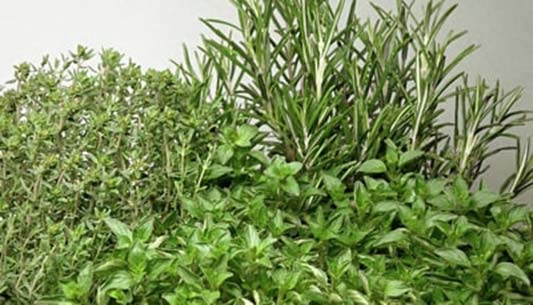
1. Herbal Synergy in Ancient Greece: Hippocrates & Galen
How did ancient Greeks combine herbs for flavor and medicine?
- Hippocrates (5th–4th c. BCE) and Galen (2nd c. CE) both emphasized the continuum between food and medicine, famously encapsulated in the phrase often attributed to Hippocrates: “Let food be your medicine, and medicine be your food”greekmedicine.net They classified herbs and foods by their effects on the body’s “humors” (blood, phlegm, yellow bile, black bile), aiming to restore balance.
- Common Herbal Combinations:
- Mastic (Pistacia lentiscus): Used for digestive health, oral care, and wound healingthegreekherbalist.com.
- Garlic: Applied topically for infections and consumed for its warming, purifying propertiespmc.ncbi.nlm.nih.gov+1.
- Mint, Pennyroyal, and Thyme: Added to drinks like Kykeon for digestive and soothing effects; pennyroyal was also used in the Eleusinian Mysteriesmyeleusis.com.
- Hellebore: Prescribed in small doses for gout and mental health, but toxic in excesshellenic.org.au.
- St. John’s Wort: Used for depression and anxiety, reflecting the Doctrine of Signatures (the belief that a plant’s appearance indicates its medicinal use)thegreekherbalist.com.
- Preparation Methods:
- Tinctures: Herbs steeped in wine (a common solvent) to extract medicinal compoundsculinarysolvent.com.
- Ointments & Balms: Herbs mixed with oils/waxes for topical useculinarysolvent.com.
- Herbal Teas: Theophrastus recorded 500+ Greek herbs, many used as teas for relaxation or empowermentelenianna.com.
Key Texts:
- Hippocratic Corpus: Describes remedies using elderberries, St. John’s Wort, and barley-based drinks for fever and digestive issuesen.wikipedia.org+1.
- Galen’s Works: Detailed the properties of herbs like garlic, onions, and spices (pepper, ginger, cinnamon), often combined with wine or honey for both flavor and therapeutic effectgreekreporter.com+1.
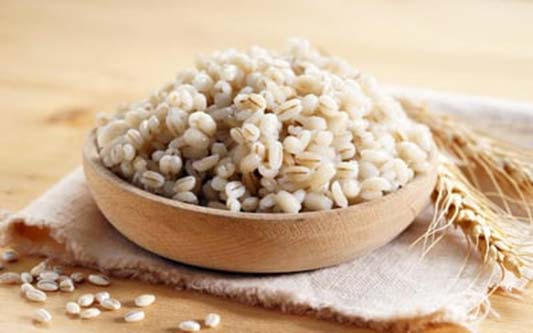
2. Barley in Ancient Medicine: Galen & Hippocrates
What did ancient physicians say about barley’s health benefits?
- Hippocrates recommended barley water (ptisane) for fevers, digestive complaints, and as a cooling, balancing foodpasstheflamingo.com+1. He warned that undercooked barley could cause indigestion, as it expands in the stomachpasstheflamingo.com.
- Galen praised barley as the “healthiest grain,” rich in fiber, niacin, and thiamine. He prescribed barley soup for gladiators (“Barley Men”) for strength and hydration, and noted its mucilage soothed gastrointestinal inflammationgreekmedicine.net
- Medicinal Uses:
- Ptisane: A barley gruel or drink, used for hydration, fever reduction, and as a gentle tonic for the sickpasstheflamingo.com+1.
- Prebiotic Properties: Barley’s fiber supported gut health, a concept aligned with modern understanding of prebioticssavorysuitcase.com.
- Humoral Theory: Barley was considered “cooling” and helped balance excess “hot” humorsen.wikipedia.org.
Quotes:
- Galen: “[Barley] groats belong to the wheat family. They have juice that is quite nourishing and tenacious.”passtheflamingo.com
- Hippocrates: Prescribed barley water for both healthy individuals and the sick, emphasizing its versatilitypasstheflamingo.com.
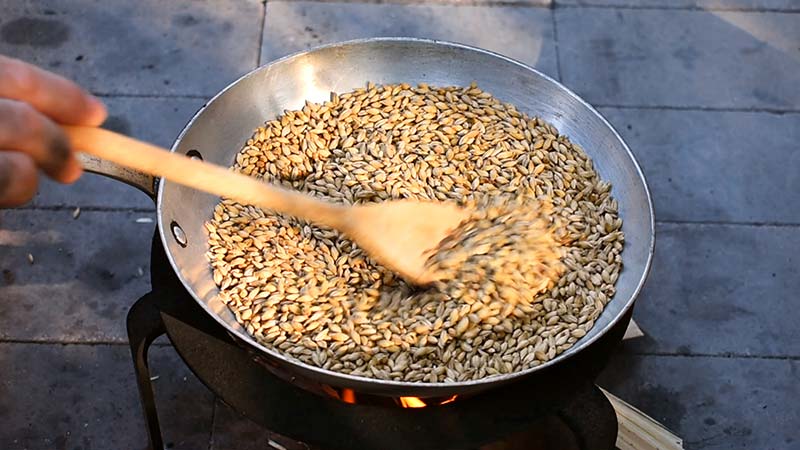
3. Kykeon: Ritual vs. Daily Use
How did preparation differ between the Eleusinian Mysteries and everyday meals?
- Daily Kykeon:
- A simple, nutritious drink of barley, water, and sometimes cheese or herbs (e.g., mint). Consumed by peasants and laborers as a staple, similar to a modern smoothie or porridgeen.wikipedia.org
- Ingredients: Barley, water, cheese, honey, or wine; often flavored with local herbshistoricalitaliancooking.home.blog.
- Purpose: Sustaining energy, hydration, and digestion.
- Eleusinian Kykeon:
- Sacred Context: Consumed after a fast, as part of the initiation rites for Demeter and Persephone. The recipe was secret, but likely included barley, pennyroyal, and possibly ergot (a psychoactive fungus)en.wikipedia.org
- Effects: Believed to induce visions or spiritual clarity, though evidence for ergot is debated. Pennyroyal in large doses could be lethal, suggesting careful preparation by priestsmyeleusis.com+1.
- Symbolism: Represented the goddess Demeter’s gift to humanity, linking agriculture, rebirth, and the afterlifeancient-origins.net