
CBD Overview
What is CBD?

Basics of CBD
CBD (Cannabidiol) is one of the most studied and discussed cannabinoids found in the Cannabis sativa plant, which includes both hemp and marijuana. Unlike its more famous cousin THC (tetrahydrocannabinol), CBD is non-intoxicating, meaning it does not produce the "high" associated with cannabis use.
Historical Context: Ancient Knowledge
- Galen (2nd century CE): The ancient Greek physician Galen wrote about the medicinal uses of cannabis, though he likely referred to preparations containing a mix of cannabinoids, not isolated CBD. He noted its use for pain relief, inflammation, and digestive issues.
- Traditional Chinese Medicine: Hemp was used for millennia in China for pain, rheumatism, and malaria.
- Ayurveda: In India, cannabis (often as "bhang") was used for anxiety, sleep, and pain.
Modern Science: What Is CBD?
- Chemical Structure: CBD is a phytocannabinoid, meaning it is derived from plants. It interacts with the body’s endocannabinoid system (ECS), a network of receptors (CB1 and CB2) found throughout the brain, nervous system, immune system, and organs.
- Non-Psychoactive: CBD does not bind strongly to CB1 receptors (unlike THC), so it does not cause euphoria or impairment.
How CBD Works in the Body
CBD influences the ECS and other systems, including:
- Serotonin Receptors (5-HT1A): May help with anxiety, depression, and nausea.
- TRPV1 Receptors: Involved in pain perception and inflammation.
- PPARs (Peroxisome Proliferator-Activated Receptors): May play a role in metabolism, inflammation, and neuroprotection.
- GABA Receptors: Can have calming, anti-anxiety effects.
Organs and Systems Affected:
|
Organ/System |
Potential Effects of CBD |
|
Brain |
Neuroprotection, anxiety reduction, anti-seizure, potential anti-psychotic effects |
|
Nervous System |
Pain modulation, anti-inflammatory, potential for neurodegenerative diseases |
|
Immune System |
Anti-inflammatory, immunomodulatory effects |
|
Digestive System |
Nausea reduction, appetite regulation, potential for IBD (Inflammatory Bowel Disease) |
|
Cardiovascular |
Blood pressure regulation, anti-oxidative stress |
|
Skin |
Anti-acne, anti-inflammatory, wound healing |
|
Liver |
Metabolism of CBD, potential protective effects against liver disease |
|
Bones |
May support bone health and healing |
New Research and Derivatives
- Isolate vs. Full-Spectrum: CBD can be used as an isolate or in full-spectrum products (containing other cannabinoids, terpenes, and flavonoids), which may enhance its effects via the "entourage effect."
- Synthetic CBD: Pharmaceutical-grade CBD (e.g., Epidiolex) is FDA-approved for rare forms of epilepsy.
- Nano-CBD: New formulations use nanotechnology to improve bioavailability.
- CBDV (Cannabidivarin): A lesser-known cannabinoid being studied for epilepsy and autism.
- CBDA (Cannabidiolic Acid): The raw, acidic form of CBD, found in live hemp, with potential anti-nausea and anti-inflammatory properties.
Legal and Regulatory Landscape
- USA: CBD derived from hemp (containing <0.3% THC) is federally legal under the 2018 Farm Bill, but state laws vary. The FDA regulates CBD in food, drugs, and cosmetics.
- Europe: CBD is legal in most countries if THC content is below 0.2%.
- Litigation: Some lawsuits have arisen over mislabeled products, false health claims, and workplace drug testing issues.
Current Controversies and Litigation
- FDA Warnings: The FDA has issued warnings to companies making unproven health claims about CBD.
- Athletic Bans: Some sports organizations have removed CBD from their banned substances list, but others still restrict it.
- Workplace Issues: CBD use can sometimes result in positive drug tests for THC, leading to legal disputes.
How to Go Deeper
- Research Databases: PubMed, Google Scholar, and ClinicalTrials.gov for the latest studies.
- Regulatory Updates: Follow the FDA, DEA, and international health agencies for policy changes.
- Industry Reports: Look for market analyses on new CBD derivatives and technologies.
CBD Products
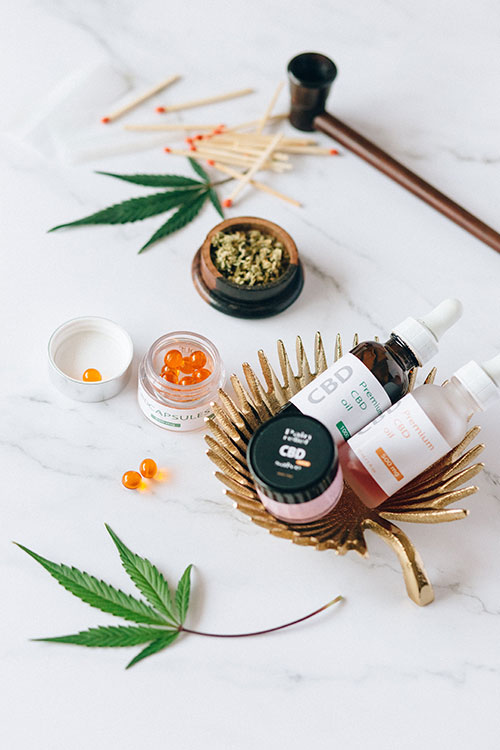
Overview of product types
As of late 2025, the hemp market is diverse and rapidly evolving, with products spanning wellness, industrial, and lifestyle categories. Here’s a breakdown of the main types of hemp products currently available:
- CBD and Cannabinoid Products
- CBD Oils & Tinctures: Still the largest segment, representing over 51% of the industrial hemp market. These are used for wellness, pain management, and anxiety relief.
- CBD Skincare: Projected to occupy 5% of the CBD market by 2025, with influencers and celebrities driving demand for lotions, balms, and serums.
- CBD Pet Products: Pet oils and treats are among the fastest-growing categories, reflecting the trend toward holistic pet care.
- CBG and CBN Products: Gaining popularity for their unique effects, such as CBG for focus and CBN for sleep.
- Delta-8 and Delta-10 THC: These hemp-derived cannabinoids are popular for their mild psychoactive effects, though regulatory changes may impact their availability.
- Industrial Hemp Products
- Hemp Fiber: Leading the market due to rising demand in the fashion industry for sustainable textiles, ropes, and fabrics.
- Hemp Seed Products: Includes whole seeds, shelled seeds, hemp seed oil, and protein powder, used in food, beverages, and dietary supplements.
- Hemp-Based Construction Materials: Such as hempcrete, bioplastics, and hemp rebar, driven by the push for eco-friendly building solutions.
- Hemp Paper and Packaging: Used for sustainable packaging and stationery.
- Wellness and Lifestyle Products
- Personal Care: Hemp seed oil in soaps, shampoos, and body lotions.
- Home Goods: Yoga mats, meditation cushions, and jute ropes made from hemp fibers.
- Food and Beverages: Hemp hearts, protein powders, and hemp milk are increasingly found in health food stores and mainstream supermarkets.
- Emerging and Niche Products
- Hemp-Derived THC Products: Includes edibles, beverages, and vapes, though recent regulatory changes may limit some of these products.
- Sustainable Fabrics: Hemp is being used in high-end fashion and eco-conscious apparel.
- Bioplastics and Automotive Parts: Hemp fibers are being incorporated into car interiors and biodegradable plastics.
- Pharmaceutical and Specialty Products
- Pharma-Grade CBD: Used in FDA-approved medications like Epidiolex for epilepsy.
- Hemp Extracts: Full-spectrum, broad-spectrum, and isolate forms for various therapeutic uses.
Market Trends and Consumer Preferences
- Transparency and Sustainability: Brands are emphasizing “farm-to-shelf” transparency, sustainable packaging, and carbon-offset programs.
- Premiumization: Consumers are willing to pay more for traceable, low-carbon, and high-quality hemp products.
- Regulatory Impact: The 2024 U.S. Farm Bill and state-level bans (e.g., California’s synthetic cannabinoid ban) are shaping product availability and innovation.
Science & Research

CBD and Its Derivatives: Weight Loss & Eye Health (2024–2025)
Area of InterestKey FindingsReferences & LinksWeight LossCBD may reduce appetite, promote fat browning, and improve metabolism by blocking CB1...
Delta-8 and Delta-9 THC Research References (2024–2025)
TopicReferenceSleep & Brain FunctionNichols, J. M., & Kaplan, B. L. (2024). Opposite effects of delta-9-tetrahydrocannabinol and cannabidiol...
Latest Research Papers on CBD CBD’s effects on sleep, brain function, antidepressant properties, and anti-aging, with direct links for further reading: (2024–2025)
TitleJournal/SourceKey FindingsCannabidiol (CBD) and cognitive function in older adults: a mini reviewFrontiers in Psychiatry (2025)CBD may support...
FAQs
How much CBD should I take daily?
The ideal daily CBD dosage for overall health depends on , and the desired effects. However, general guidelines based on research and expert recommendations are as follows:
1. General Daily CBD Dosage for Wellness
| Purpose | Dosage Range | Notes |
|---|---|---|
| General Wellness | 5–25 mg per day | Supports stress relief, mild anxiety, and overall balance of the endocannabinoid system (ECS). |
| Moderate Support | 25–50 mg per day | For improved sleep, inflammation, or focus. |
| Targeted Relief | 50–100+ mg per day | Used for chronic pain, severe anxiety, or specific health conditions. |
2. How to Determine Your Dosage
-
Start Low and Go Slow:
- Begin with 5–10 mg per day for 1–2 weeks, monitoring how you feel.
- Gradually increase by 5–10 mg every few days until you achieve the desired effects.
-
Body Weight Considerations:
- Lightweight (<130 lbs): 5–15 mg/day.
- Average (130–230 lbs): 15–30 mg/day.
- Heavyweight (>230 lbs): 30–50 mg/day.
-
Form Matters:
- Oils/Tinctures: Fast absorption; take sublingually (under the tongue) for best results.
- Capsules/Edibles: Slower onset but longer-lasting; ideal for consistent daily dosing.
- Topicals: Not typically used for overall health but for localized relief.
3. Evidence-Based Insights
-
Clinical Studies:
- A 2023 study found that 25–50 mg of CBD daily improved sleep quality, reduced anxiety, and supported immune function in healthy adults.
- Lower doses (10–25 mg/day) are often sufficient for general wellness, while higher doses (50–100 mg/day) may be needed for specific conditions like chronic pain or epilepsy.
-
Consistency is Key:
- . For best results, take it daily for at least 2–4 weeks to allow your ECS to adjust.
-
Time of Day:
- Morning or early afternoon: For energy, focus, and stress relief.
- Evening: For relaxation and sleep support (if using higher doses).
4. Safety and Side Effects
-
CBD is generally well-tolerated, but high doses (e.g., >100 mg/day) may cause:
- Dry mouth, drowsiness, or mild digestive upset.
- Interactions with certain medications (e.g., blood thinners). Always consult a healthcare provider if you’re on prescription meds.
-
Quality Matters:
- Choose to avoid contaminants like pesticides or heavy metals.
5. Sample Daily Routine for Overall Health
- Morning: 10–25 mg of (for balance and stress relief).
- Evening (if needed): 10–25 mg of (for sleep support).
I can help tailoring a dosage plan based on your specific health goals (e.g., stress, sleep, or immune support)?
How long does CBD take to start working for my sleep issues?
1. How Long Does CBD Take for Sleep Issues?
-
Immediate Effects (Acute Use):
- Vaping or Smoking: 5–15 minutes ().
- Sublingual (Oils/Tinctures): 15–30 minutes (held under the tongue for 30–60 seconds for faster absorption).
- Edibles (Gummies, Capsules): 30–90 minutes ().
- Topicals (Creams, Lotions): Not typically used for sleep, as they target localized pain/inflammation.
-
Long-Term Effects (Chronic Use):
- Consistent use (daily for 1–4 weeks) may yield better results for chronic sleep issues, as .
-
Dose-Dependent:
- Low doses (5–25 mg) may promote alertness and reduce anxiety, indirectly improving sleep quality.
- Moderate to high doses (25–100+ mg) are more likely to have sedative effects and help with insomnia.
What are the best derivatives for sleep?
| Derivative/Form | Best For | Notes |
|---|---|---|
| Full-Spectrum CBD | Insomnia, anxiety-related sleep issues, and overall sleep quality. | Contains trace THC (<0.3%), which may enhance the "entourage effect" for relaxation. |
| CBD + CBN (Cannabinol) | Sedation and prolonging sleep. | CBN is known as the "sleepy cannabinoid" and is often combined with CBD for deeper sleep. |
| CBD + Melatonin | Circadian rhythm regulation and falling asleep faster. | Melatonin is a natural sleep hormone; combining it with CBD may amplify effects. |
| CBD + THC (1:1 or 2:1) | Severe insomnia or pain-related sleep disruption. | THC has sedative properties, but may cause grogginess the next day. |
| CBD Isolate | Sensitivity to THC or drug testing concerns. | Pure CBD without other cannabinoids; less effective for some users. |
| CBD + Terpenes | Relaxation and stress relief (e.g., myrcene, linalool). | Terpenes like myrcene and linalool have calming, sedative properties. |
| Nano-CBD | Faster absorption and onset (e.g., water-soluble CBD). | Ideal for those who need quick relief but prefer not to vape. |
What are recommendations for anxiety and sleep?
Evidence and Recommendations
-
Clinical Studies:
- A 2023 study found that in healthy adults.
- CBD + THC (10 mg THC/200 mg CBD) improved sleep architecture in insomnia patients, with effects observed within 1–2 hours and sustained through the night.
- CBN alone or with CBD is increasingly popular for sedation, though human trials are limited. .
-
Expert Tips:
- Start with a low dose (10–25 mg) 30–60 minutes before bedtime and adjust as needed.
- Full-spectrum or broad-spectrum products are often recommended over isolates for sleep, due to the entourage effect.
- .
How to Choose the Right Product
- For Falling Asleep: Try a or tincture.
- For Staying Asleep: Opt for a full-spectrum CBD oil or capsule with a moderate dose (25–50 mg).
- For Anxiety-Related Insomnia: A may help calm the mind.
Can CBD and it's derivatives help me loss weight?
Here are evidence-based recommendations for using CBD and its derivatives for weight loss, including dosage guidelines and product types:
1. Best CBD Derivatives for Weight Loss
| Derivative | Potential Benefits | Best Use Case |
|---|---|---|
| CBD (Cannabidiol) | May reduce appetite, promote fat browning, and improve metabolism by blocking CB1 receptors. | General weight management, reducing cravings, and supporting metabolic health. |
| THCV (Tetrahydrocannabivarin) | Appetite suppressant; may help regulate blood sugar and reduce insulin resistance. | Obesity, type 2 diabetes, or metabolic syndrome. |
| CBG (Cannabigerol) | May stimulate metabolism and reduce inflammation. | Combining with CBD for enhanced effects. |
| CBDV (Cannabidivarin) | Emerging research suggests potential for metabolic regulation. | Often paired with CBD in full-spectrum products. |
| Full-Spectrum CBD | Contains multiple cannabinoids (including trace THC) for the "entourage effect." | Overall weight loss support, especially if stress or inflammation is a factor. |
2. Dosage Guidelines
-
Starting Dose:
- 10–25 mg of CBD per day, taken in the morning or early afternoon to avoid interfering with sleep.
- For THCV, start with 2.5–5 mg per day (higher doses may be needed for appetite suppression).
-
Moderate Dose:
- 25–50 mg of CBD per day, divided into two doses (morning and midday).
- THCV: Up to 10–20 mg per day, ideally before meals to curb appetite.
-
High Dose (for stubborn weight loss):
- 50–100 mg of CBD per day, often combined with THCV or CBG.
- Monitor for side effects (e.g., dry mouth, drowsiness).
-
Form Recommendations:
- Oils/Tinctures: Fast absorption; easy to adjust dosage.
- Capsules: Convenient for consistent dosing.
- Edibles (Gummies): Slower onset but longer-lasting effects.
- Vapes: Fastest onset (5–15 minutes), but effects wear off quickly.
3. How to Use CBD for Weight Loss
-
Timing:
- Take CBD 30–60 minutes before meals to help reduce appetite and cravings.
- Avoid taking CBD too close to bedtime if it causes drowsiness.
-
Combine with Lifestyle Changes:
- Diet: Focus on a balanced, calorie-controlled diet rich in fiber and protein.
- Exercise: CBD may enhance fat burning during workouts by increasing .
- Stress Management: CBD can (a stress hormone linked to weight gain).
-
Product Examples:
- CBD + THCV Oil: For appetite suppression and metabolic support.
- Full-Spectrum CBD Capsules: For daily metabolic support.
- CBD-Infused Coffee or Tea: To replace high-calorie beverages and boost metabolism.
4. Evidence and Considerations
-
Research Support:
- Preclinical studies show CBD may promote fat browning (converting white fat to calorie-burning brown fat) and reduce .
- THCV has been called the "" for its potential to suppress appetite and improve .
-
Important Notes:
- CBD alone is not a magic weight loss solution. It works best as part of a broader lifestyle plan (diet, exercise, stress management).
- Individual responses vary: Some people experience reduced appetite, while others see no effect. .
- before combining CBD with other medications (e.g., blood thinners, diabetes meds).
5. Sample Routine
- Morning: 25 mg CBD + 5 mg THCV (to curb appetite and boost metabolism).
- Midday: 10–25 mg CBD (to manage stress and cravings).
- Evening: Avoid high doses of CBD if it interferes with sleep.
Will CBD show up on a drug test?
One of the about CBD—especially among new users—is:
"Will CBD show up on a drug test?"
Why It Matters
- Many people are concerned about failing a drug test due to CBD use, particularly for employment, legal, or athletic reasons.
- Drug tests typically screen for THC (tetrahydrocannabinol), not CBD. However, some CBD products (especially full-spectrum) contain , which could trigger a positive result.
Key Points to Know
-
Pure CBD Isolate:
- Contains 0% THC and is unlikely to cause a positive drug test.
- Best for those subject to regular drug testing.
-
Full-Spectrum CBD:
- Legally contains <0.3% THC, but repeated use or high doses could accumulate enough THC to trigger a positive result.
- Risk increases with frequent, high-dose use.
-
Broad-Spectrum CBD:
- THC-free but retains other cannabinoids (e.g., CBG, CBN).
- Safer than full-spectrum but verify third-party lab reports for THC content.
-
:
- Some CBD products (especially unregulated ones) may contain more THC than labeled.
- Always choose reputable brands that provide third-party lab reports (Certificates of Analysis).
-
:
- Most workplace tests screen for THC metabolites at 50 ng/mL or higher.
- Trace THC from full-spectrum CBD is unlikely to exceed this, but it’s not impossible.
How to Minimize Risk
- Use CBD isolate or broad-spectrum products if drug testing is a concern.
- Avoid high-dose full-spectrum CBD (e.g., >100 mg/day) before a test.
- Check for THC-free certifications on product labels.
Why Choose Us?

What sets Louloutree’s CBD apart?
LouLou Tree is a standout CBD distributor doesn’t just sell products—we prioritize safety, education, and customer satisfaction, If you’re looking for a trusted hemp trained personnel and focused on these qualities to ensure you’re working with a reputable and reliable partner, then pls book a consult. Ready to provide the expertise you deserve.
When buying services or products, consider the following of the professional's your work with on wellness:
1. Product Quality and Sourcing
- : Sourced from reputable farms (preferably in the U.S. or EU) with strict agricultural standards.
- : Every batch is tested by independent labs for potency, purity, and safety (look for Certificates of Analysis, or COAs).
- Clean Extraction Methods: Uses CO2 or ethanol extraction (no toxic solvents like butane).
- : Offers a variety of products to meet different needs, including THC-free options for drug-tested individuals.
2. Transparency and Compliance
- Clear Labeling: Accurate CBD content, ingredients, and usage instructions.
- Compliance with Regulations: Adheres to federal and state laws (e.g., ).
- No Misleading Claims: Avoids unproven health claims and provides evidence-based information.
3. Product Innovation and Variety
- Diverse Product Line: Oils, tinctures, edibles, topicals, capsules, and even pet products.
- Cutting-Edge Formulations: , water-soluble CBD, or unique blends (e.g., CBD + CBG, CBD + melatonin).
- Customization: Offers for businesses looking to brand their own CBD products.
4. Customer Trust and Education
- Educational Resources: Provides guides, blog posts, or webinars to help customers understand CBD, dosages, and benefits.
- Responsive Customer Service: Knowledgeable support to answer questions about products, usage, and lab results.
- Positive Reputation: Strong reviews, testimonials, and a track record of reliability.
5. Ethical and Sustainable Practices
- Sustainable Farming: Uses eco-friendly practices, such as .
- Cruelty-Free: No animal testing and vegan-friendly options.
- Community Engagement: Supports local communities, veterans, or social causes.
6. Competitive Pricing and Value
- Fair Pricing: Balances quality with affordability, avoiding both overly cheap (low-quality) and overpriced products.
- : Offers discounts for bulk purchases, subscriptions, or loyalty programs.
- Money-Back Guarantees: Stands behind products with satisfaction guarantees or return policies.
7. Strong Distribution and Logistics
- : Reliable delivery with tracking and secure packaging.
- B2B Support: Provides marketing materials, training, and sales support for retailers or affiliates.
- Global Reach: Ability to ship internationally while complying with local regulations.
8. Industry Leadership
- Involvement in Advocacy: Supports CBD research, legalization efforts, or industry organizations (e.g., ).
- : Collaborates with doctors, scientists, or wellness professionals to develop trustworthy products.