
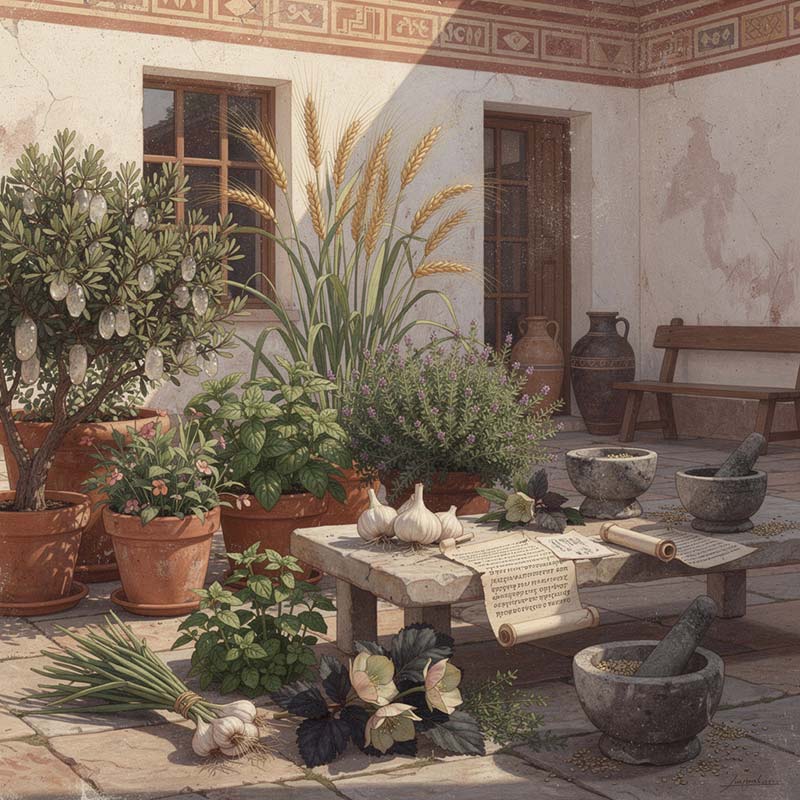
synthesis of ancient wisdom and modern insights for your fall and winter herbal tea rituals, focusing on cognition, energy, and seasonal wellness in winter and beyond.
Why It Matters: These rituals connect you to the rhythms of nature and ancient healing traditions, fostering both physical resilience and mental clarity. As Confucius noted, “Everything has its beauty, but not everyone sees it”—savoring these teas mindfully can reveal the beauty in daily self-care.
Dandelion Leaf Tea
- Traditional Uses: Dandelion has been used for centuries in both Chinese and European medicine for its diuretic properties, supporting liver health, and aiding digestion. It’s rich in vitamins A, C, and K, and minerals like potassium and iron, making it a tonic for restoring strength after illness and promoting detoxificationwebmd.com+2.
- Daily Ritual: Drink a cup in the morning to stimulate digestion and support liver function. Use 4–10 grams of fresh leaves or 1–2 teaspoons of dried leaves per cup, steeped for 5–10 minutes. Ideal for daily use, especially in fall to prepare the body for winter’s demands.
Guava Leaf Tea
- Traditional Uses: Guava leaves are revered in Mayan, Filipino, and Ayurvedic traditions for their antimicrobial, anti-inflammatory, and blood sugar-regulating properties. They are used to treat diarrhea, respiratory issues, and to boost immunitybeyondforest.org
- Daily Ritual: Sip a warm cup 30 minutes after meals to aid digestion and stabilize blood sugar. For respiratory health, drink in the evening with a touch of honey. Use 5–6 fresh leaves or 1 teaspoon of dried leaves per cup, steeped for 10 minutes.
Kuding Cha (Bitter Tea)
- Traditional Uses: In Traditional Chinese Medicine (TCM), Kuding Cha is known as the “three-high reducer” (blood sugar, blood pressure, cholesterol) and is used to clear heat, improve mental focus, and support weight management. It’s also valued for its antioxidant and anti-inflammatory effectsteasenz.com
- Daily Ritual: Drink in the morning or early afternoon to enhance alertness and metabolism. Use 3–5 dried spikes per cup, steeped for 3–5 minutes. Start with one cup daily, increasing to 2–3 cups if needed for preventive health.
Fall & Winter Herbal Tea Rituals
- Ancient Greek & Chinese Wisdom: Both cultures emphasized aligning tea rituals with the seasons. Greeks like Hippocrates used mountain tea (sideritis) for immunity and respiratory health, while TCM recommends warming teas (ginger, cinnamon, turmeric) to support circulation and yang energy in winterrebalancetcm.com
- Seasonal Blends:
- Morning Energy: Ginseng or green tea with a slice of ginger to invigorate qi and focus the mind.
- Evening Calm: Chamomile, rose petal, or chrysanthemum tea to soothe the nervous system and promote restful sleepbalancecharleston.com
- Cognitive Boost: Sage, ginkgo biloba, or lemon balm tea to enhance memory and mental clarity. Sip mid-morning or during study/work sessionsujimatchatea.com
Frequency & Ritual Tips
- Daily: Dandelion or guava leaf tea can be enjoyed daily, especially in fall, to support detox and immunity.
- Weekly: Rotate Kuding Cha 2–3 times weekly for metabolic and cognitive benefits.
- Seasonal: Incorporate warming spices (cinnamon, cardamom) into your blends as winter approaches to support circulation and warmthrebalancetcm.com
- Mindful Practice: Prepare tea with intention—use loose leaves, inhale the aroma, and sip slowly to enhance the ritual’s grounding and healing effects.
Additional Herbs for Fall/Winter
- For Cognition & Alertness: Rosemary, peppermint, or ginkgo biloba (steep 1 tsp dried herb per cup).
- For Immunity: Elderberry, astragalus, or echinacea (simmer roots for 10–15 minutes).
- For Relaxation: Lavender, chamomile, or valerian root (steep 5–10 minutes before bed).